Antiquities
Ley Farmhouse
A Grade II* listed farmhouse, likely medieval in origin, standing in the Dartmoor landscape as evidence of long settlement and land use.

Dartmoor's archaeology and heritage - antiquities, historic buildings and museums.
A Grade II* listed farmhouse, likely medieval in origin, standing in the Dartmoor landscape as evidence of long settlement and land use.
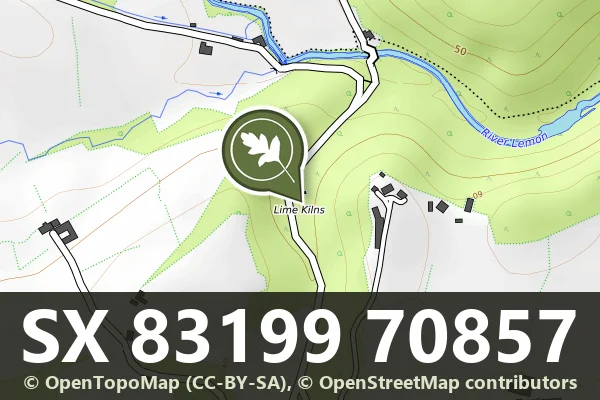
East Ogwell, Newton Abbot
Weathered stone kilns where limestone was burned to create quicklime, leaving industrial traces across the open moor.

A medieval wayside cross standing on the north side of a minor road northwest of Howton Farm.

A stone bridge crossing a moorland stream, likely medieval in origin, marking an ancient routeway across Dartmoor.
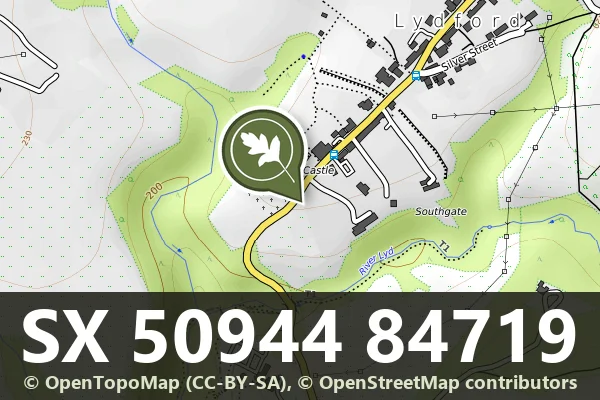
Lydford, Tavistock
A stark memorial on open moorland marking a long-forgotten clash between Danish and Saxon forces.
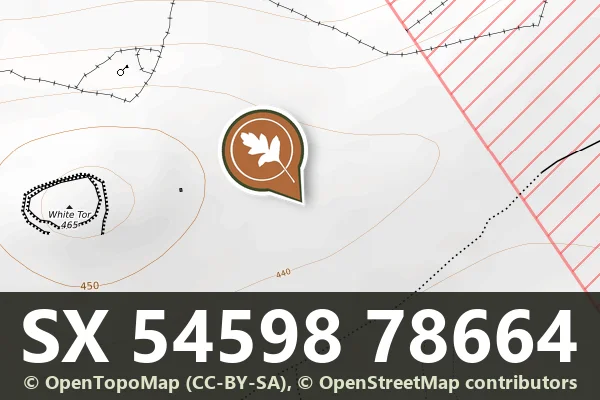
A Bronze Age cairn on the eastern slope of White Tor, among Dartmoor's scattered upland monuments.
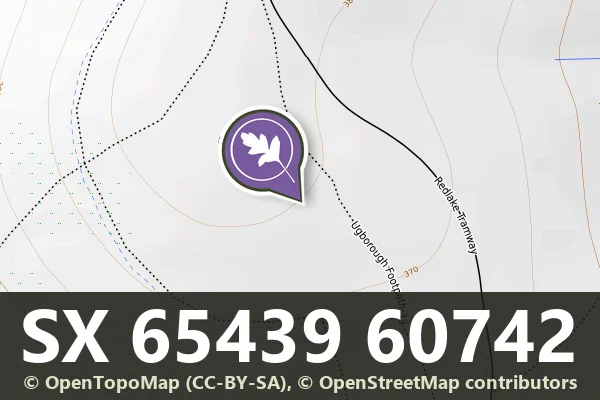
Harford, Ivybridge
A solitary standing stone on the open moor, weathered by centuries of Dartmoor wind and rain.
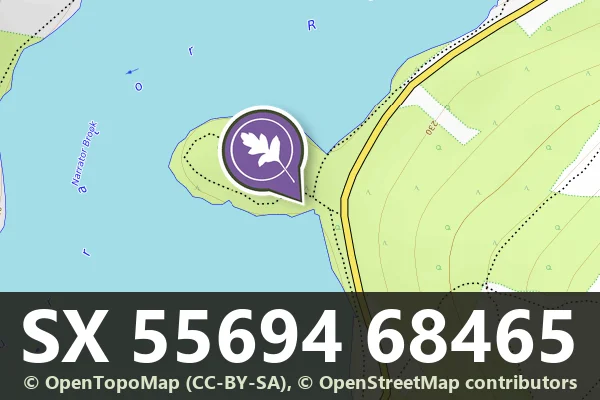
Sheepstor, Tavistock
Haunting remains of a medieval manor house scattered across open moorland, revealing centuries of occupation and abandonment.
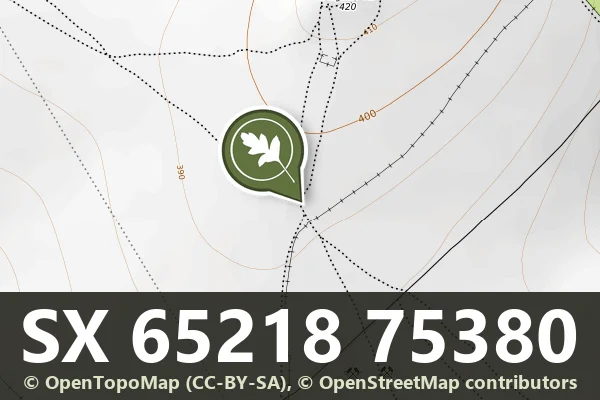
Babeny, Ashburton
Bronze Age stone circle and hut settlements scattered across open moorland, revealing how ancient communities lived on Dartmoor's high ground.